1. Sohrai and Khovar Paintings
- Description: Traditional tribal wall paintings done during harvest (Sohrai) and weddings (Khovar). They depict animals, nature, and fertility symbols.
- Medium: Natural earth pigments (like red ochre, black manganese, white clay) mixed with water and applied to mud walls.
Process: The mud wall is coated with a base layer (often black or white). Then, a contrasting color is applied, and while wet, the top layer is scraped away with a comb or fingers to reveal the design.
2. Paitkar Painting
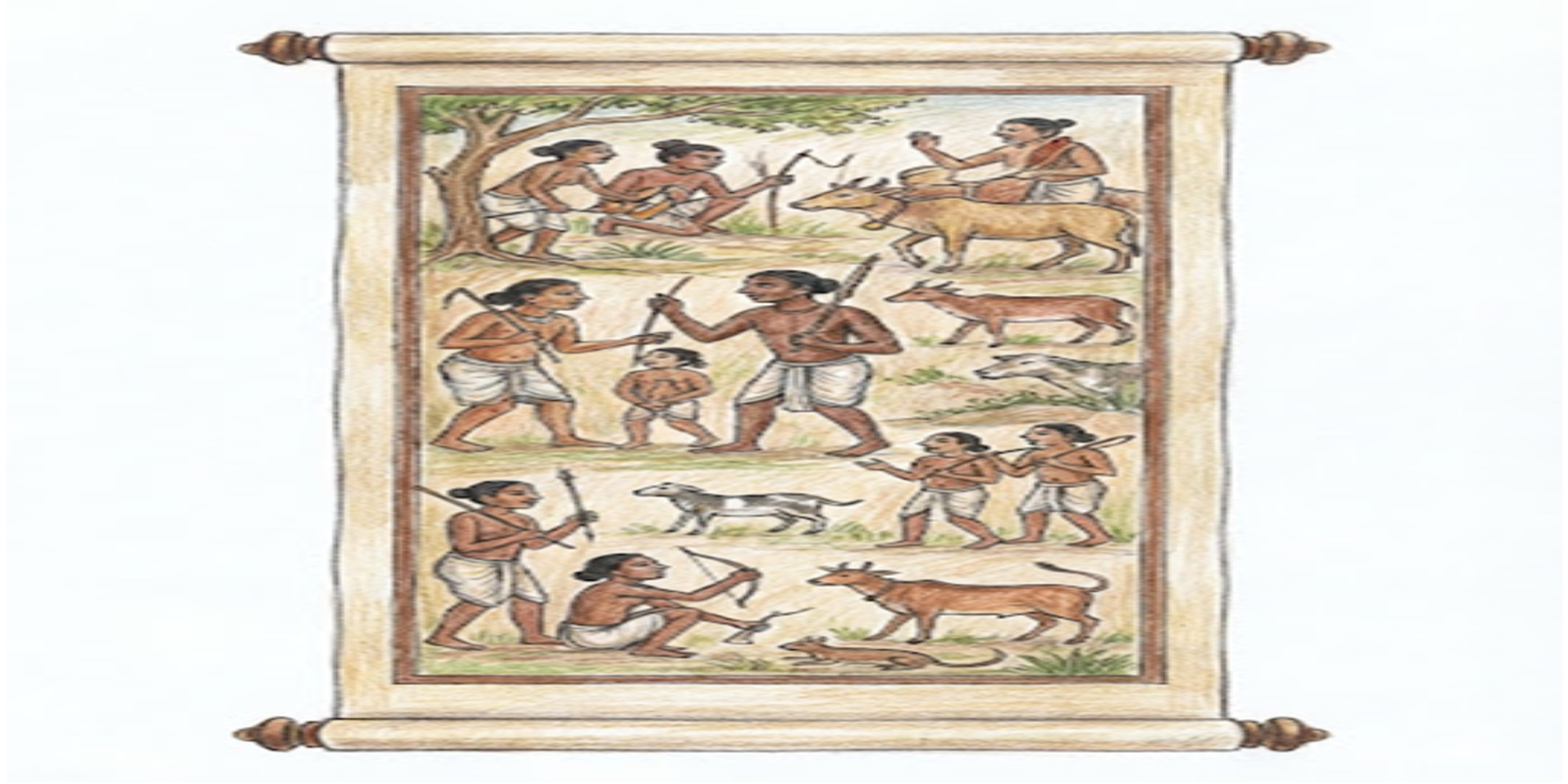
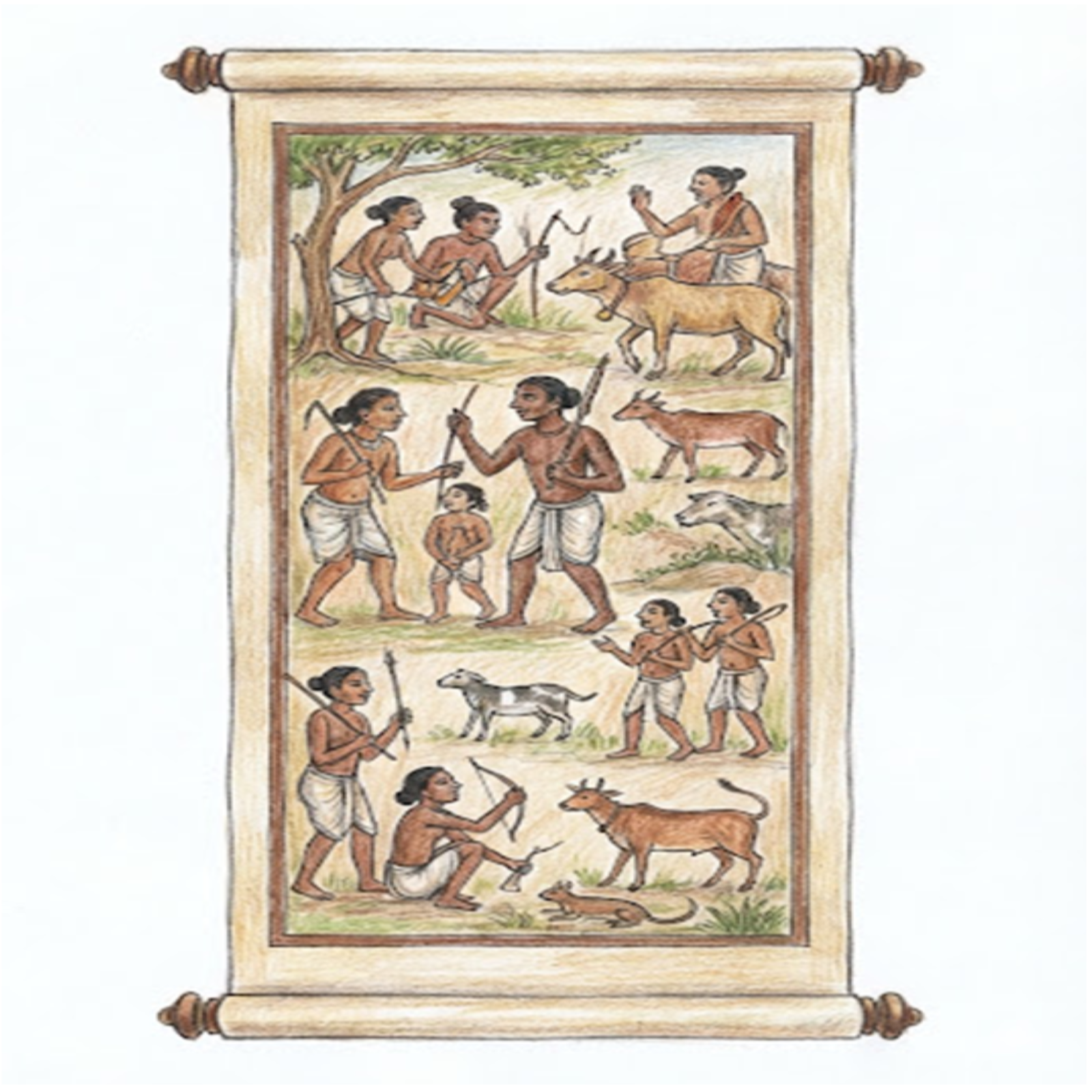
- Description: One of the oldest tribal painting forms in India, also known as scroll painting. These scrolls were traditionally used by storytellers to narrate socio-religious epics.
- Medium: Natural colors made from leaves, flowers, stones, and tree bark on paper or cloth scrolls.
Process: The artist first prepares the scroll, then sketches the narrative scenes. Colors are filled in using brushes made from goat or squirrel hair, often with a final outline in black.
1.Sohrai and Khovar Paintings
- Description: Traditional tribal wall paintings done during harvest (Sohrai) and weddings (Khovar). They depict animals, nature, and fertility symbols.
- Medium: Natural earth pigments (like red ochre, black manganese, white clay) mixed with water and applied to mud walls.
Process: The mud wall is coated with a base layer (often black or white). Then, a contrasting color is applied, and while wet, the top layer is scraped away with a comb or fingers to reveal the design.
2.Paitkar Painting
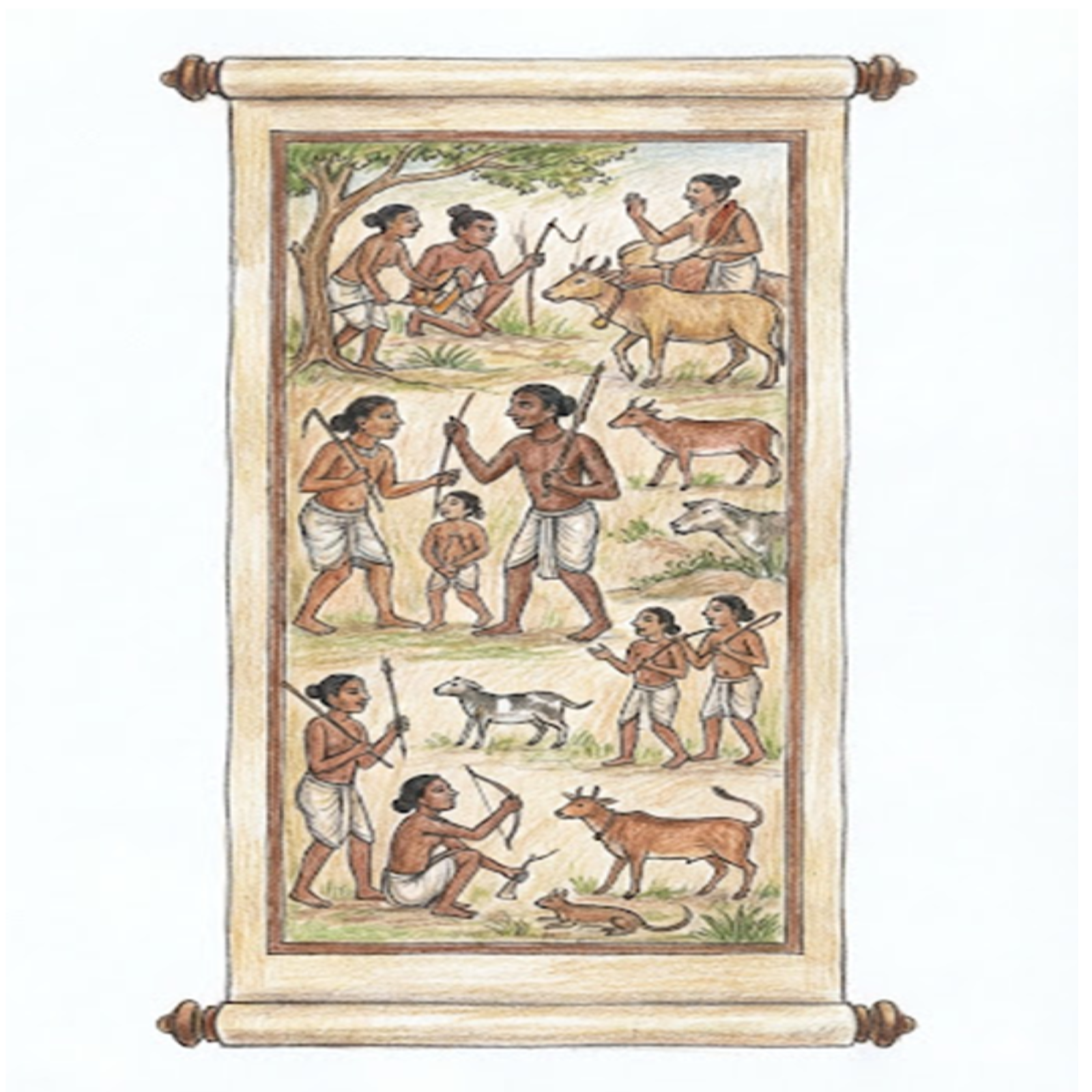
- Description: One of the oldest tribal painting forms in India, also known as scroll painting. These scrolls were traditionally used by storytellers to narrate socio-religious epics.
- Medium: Natural colors made from leaves, flowers, stones, and tree bark on paper or cloth scrolls.
Process: The artist first prepares the scroll, then sketches the narrative scenes. Colors are filled in using brushes made from goat or squirrel hair, often with a final outline in black.
3.Dhokra Metal Crafts
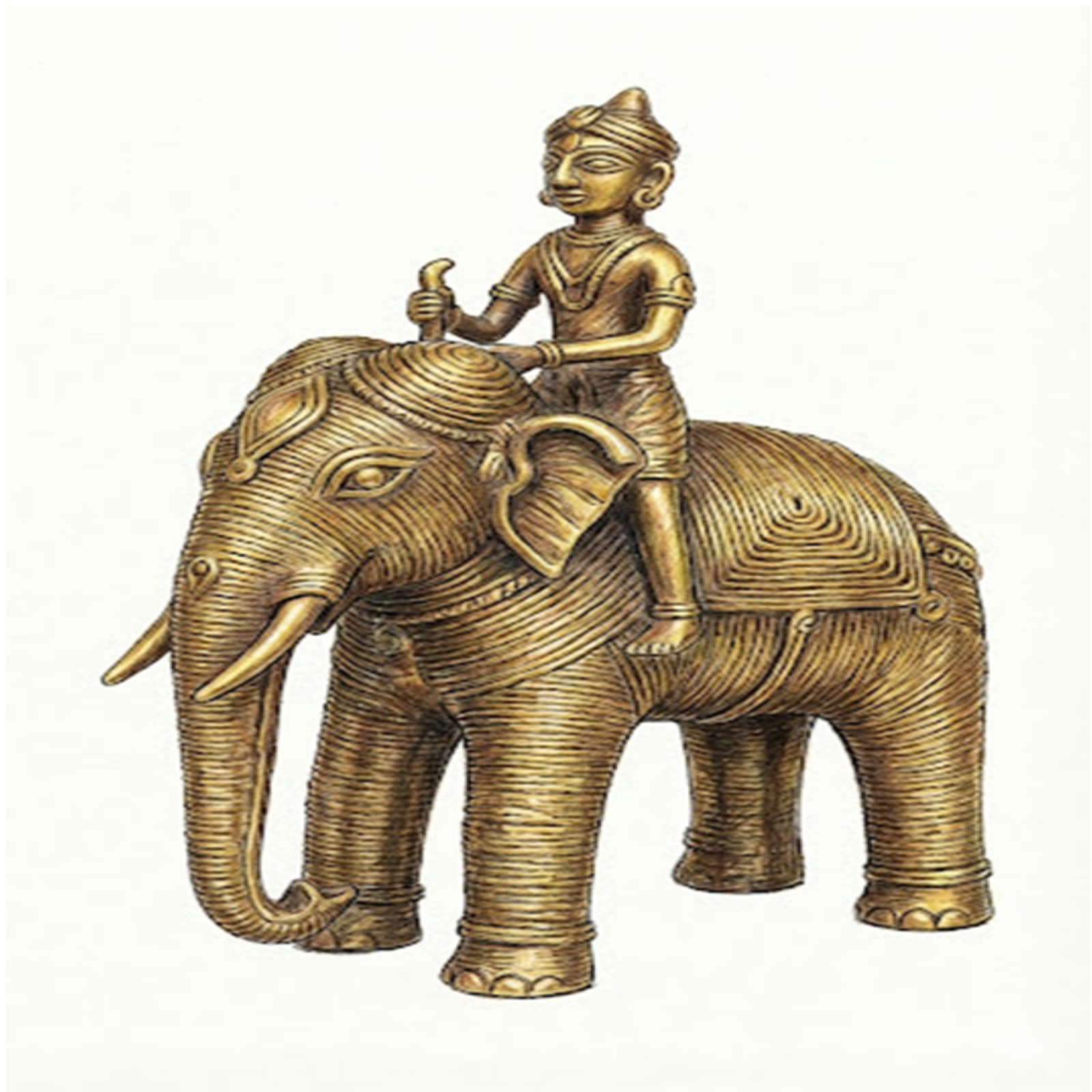
- Description: An ancient folk art tradition of non-ferrous metal casting using the lost-wax casting technique. It is characterized by its rustic, antique look and intricate wirework.
- Medium: Brass or bell metal, beeswax, clay, and resin from trees.
Process: A clay core is made, then covered with beeswax threads to form the design. This is covered with more clay and baked. The molten metal is poured in, replacing the melted wax. The outer clay mold is then broken to reveal the metal figure.
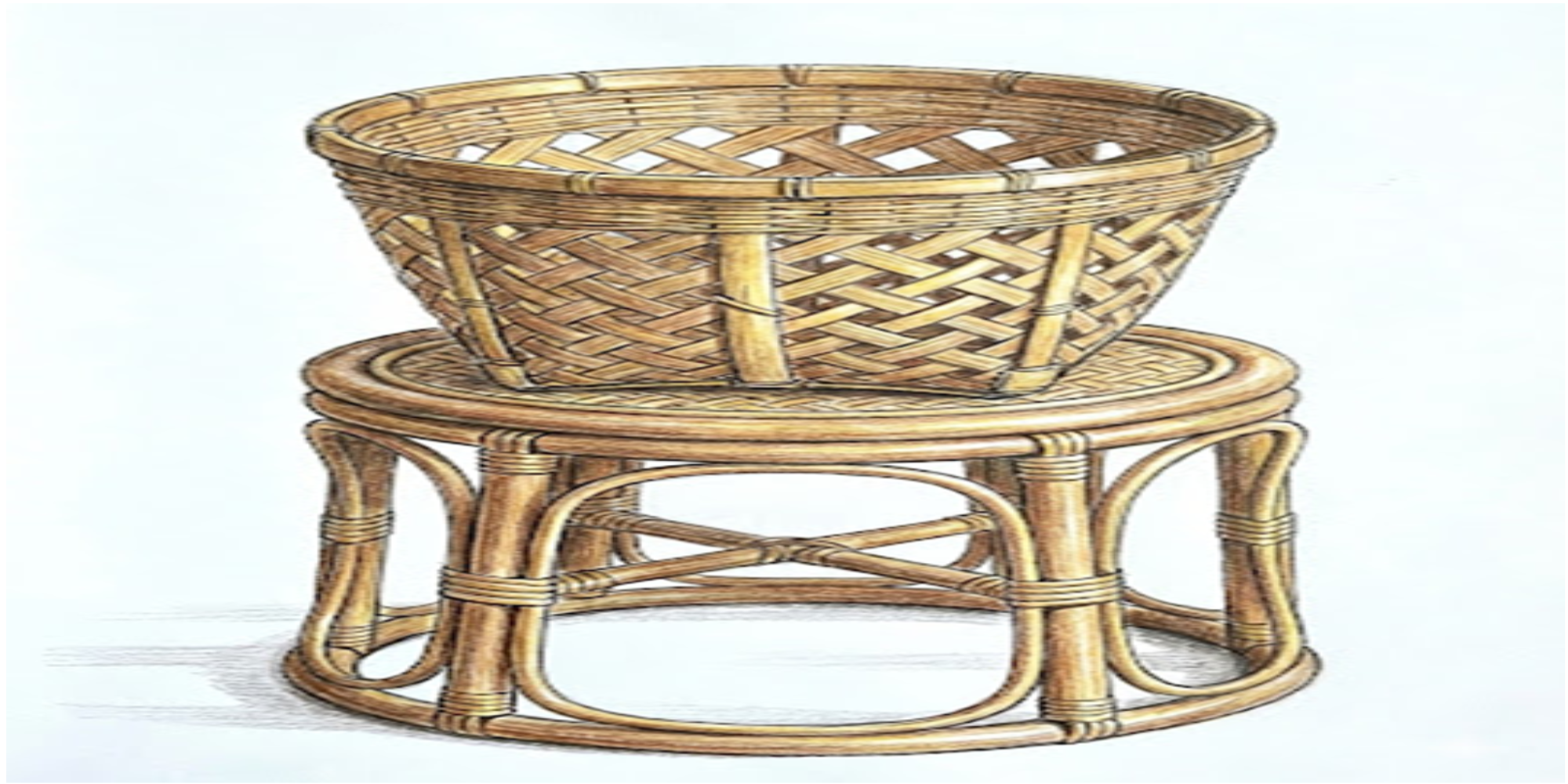
4. Bamboo and Cane Crafts:
- Description: Utilizing the abundant bamboo and cane resources, artisans create a wide range of utilitarian and decorative items like baskets, furniture, and mats.
- Medium: Bamboo and cane (rattan), sometimes treated with natural oils or dyes.
Process: The raw bamboo or cane is split into thin strips, treated, and then woven into various shapes and patterns using traditional techniques.
5. Lac Bangles and Artifacts
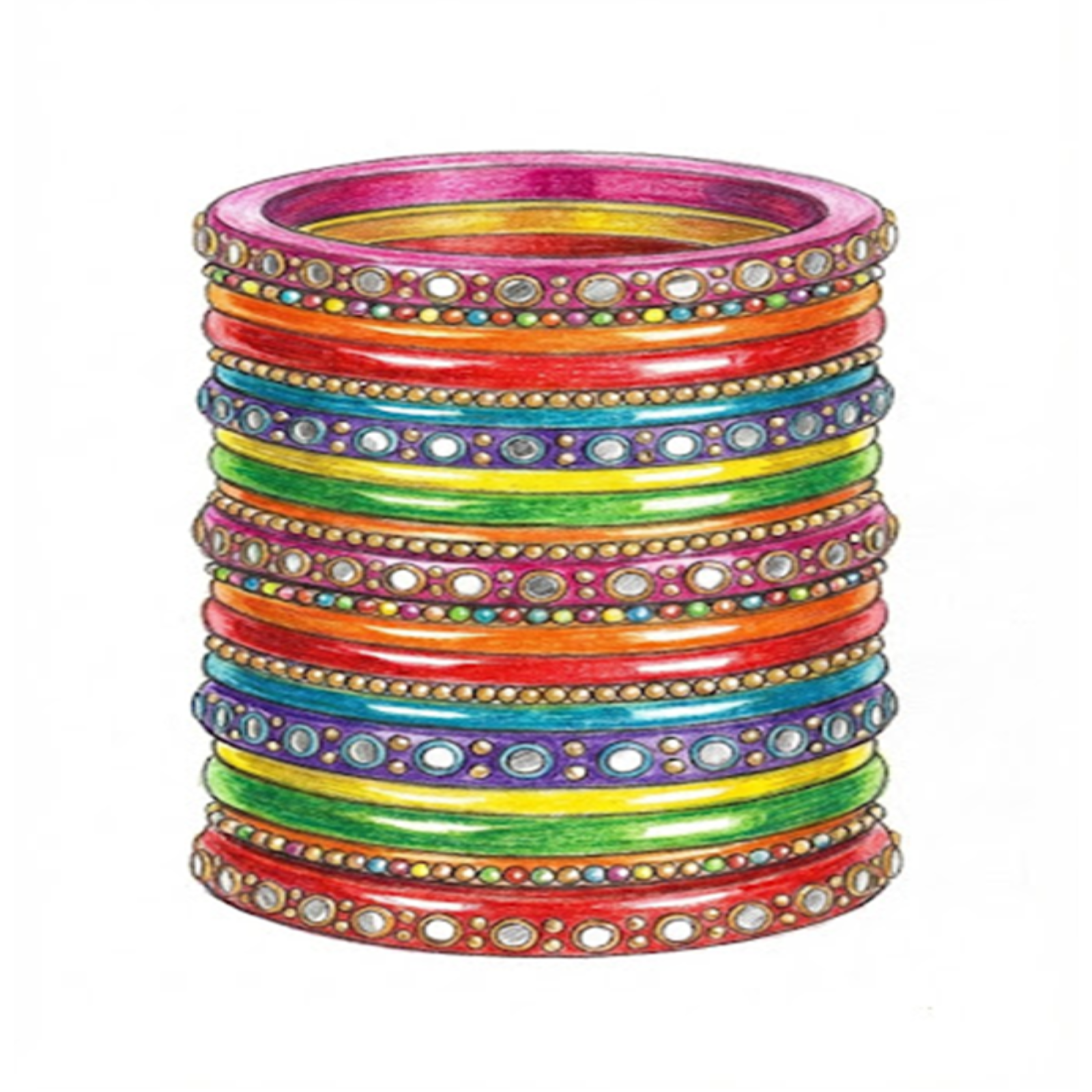
- Description: Jharkhand is a major producer of lac, a natural resin. Artisans create colorful bangles, jewelry, and decorative items from it, often embellished with beads and mirrors.
- Medium: Lac (a natural resin), natural colors, glass beads, and small mirrors.
Process: Lac is melted and mixed with colors. The pliable material is then rolled into thin strips and shaped into bangles or other forms. While still warm, it is decorated with mirrors and beads.
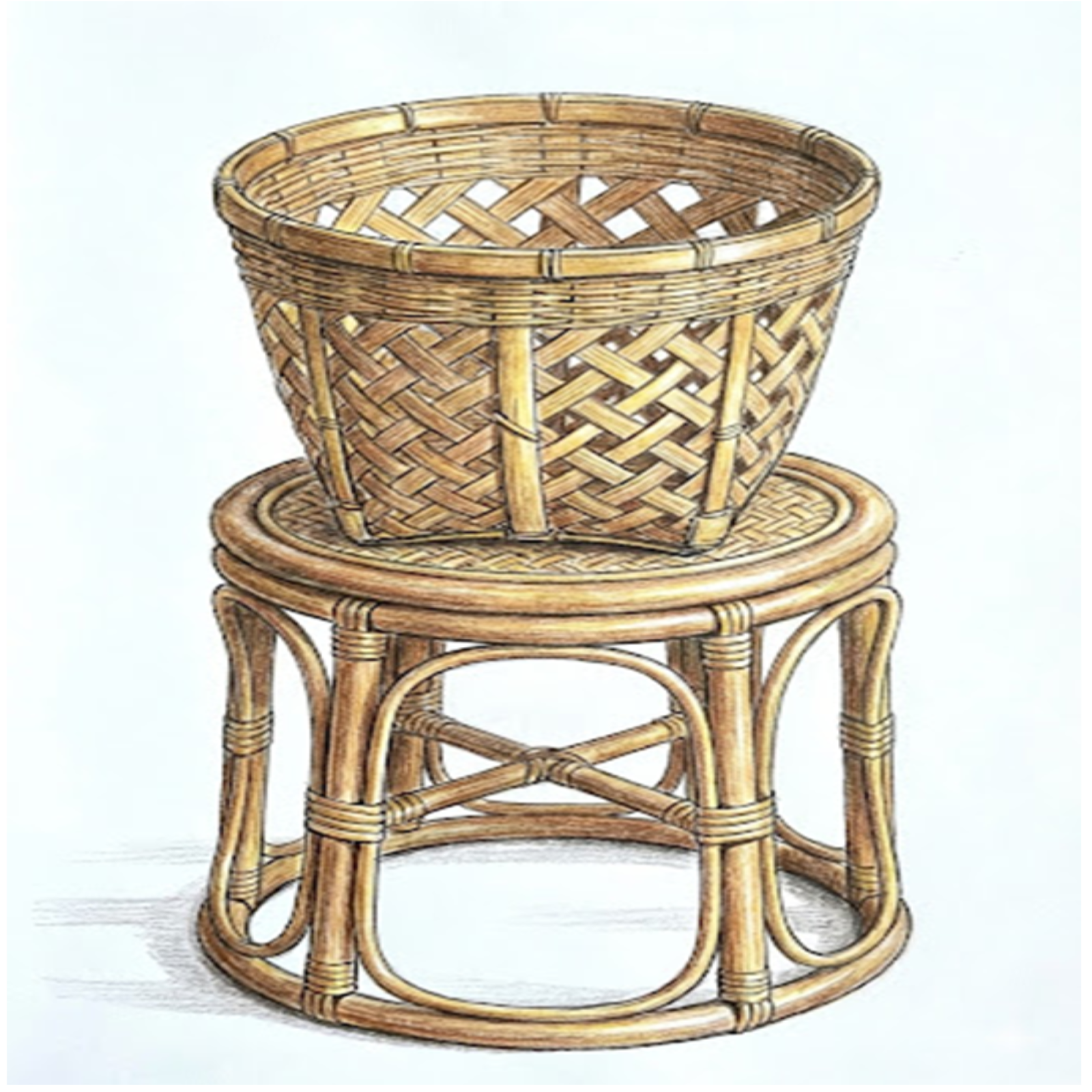
4.Bamboo and Cane Crafts
- Description: Utilizing the abundant bamboo and cane resources, artisans create a wide range of utilitarian and decorative items like baskets, furniture, and mats.
- Medium: Bamboo and cane (rattan), sometimes treated with natural oils or dyes.
Process: The raw bamboo or cane is split into thin strips, treated, and then woven into various shapes and patterns using traditional techniques.
5. Lac Bangles and Artifacts
- Description: Jharkhand is a major producer of lac, a natural resin. Artisans create colorful bangles, jewelry, and decorative items from it, often embellished with beads and mirrors.
- Medium: Lac (a natural resin), natural colors, glass beads, and small mirrors.
Process: Lac is melted and mixed with colors. The pliable material is then rolled into thin strips and shaped into bangles or other forms. While still warm, it is decorated with mirrors and beads.
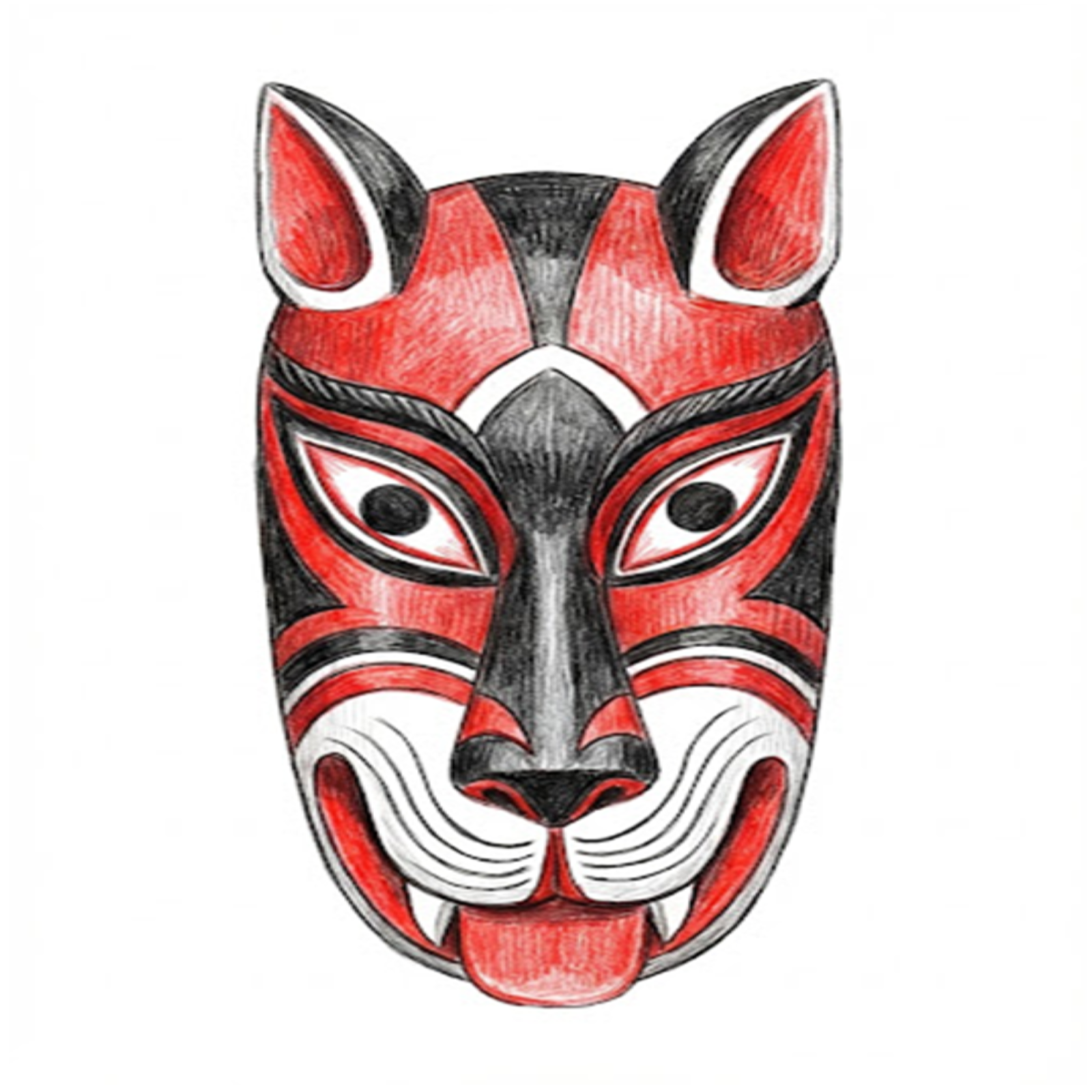
6.Wood Carving (Tribal Masks)
- Description: Wood carving is a significant craft, with tribal masks being a prominent example. These masks are often used in traditional dances and rituals, depicting animals or deities.
- Medium: Local wood (like Gambhar or Sal), natural colors.
Process: A block of wood is hand-carved using chisels and knives to create the mask’s form. It is then smoothed and painted with bold, traditional colors
7.Terracotta Crafts
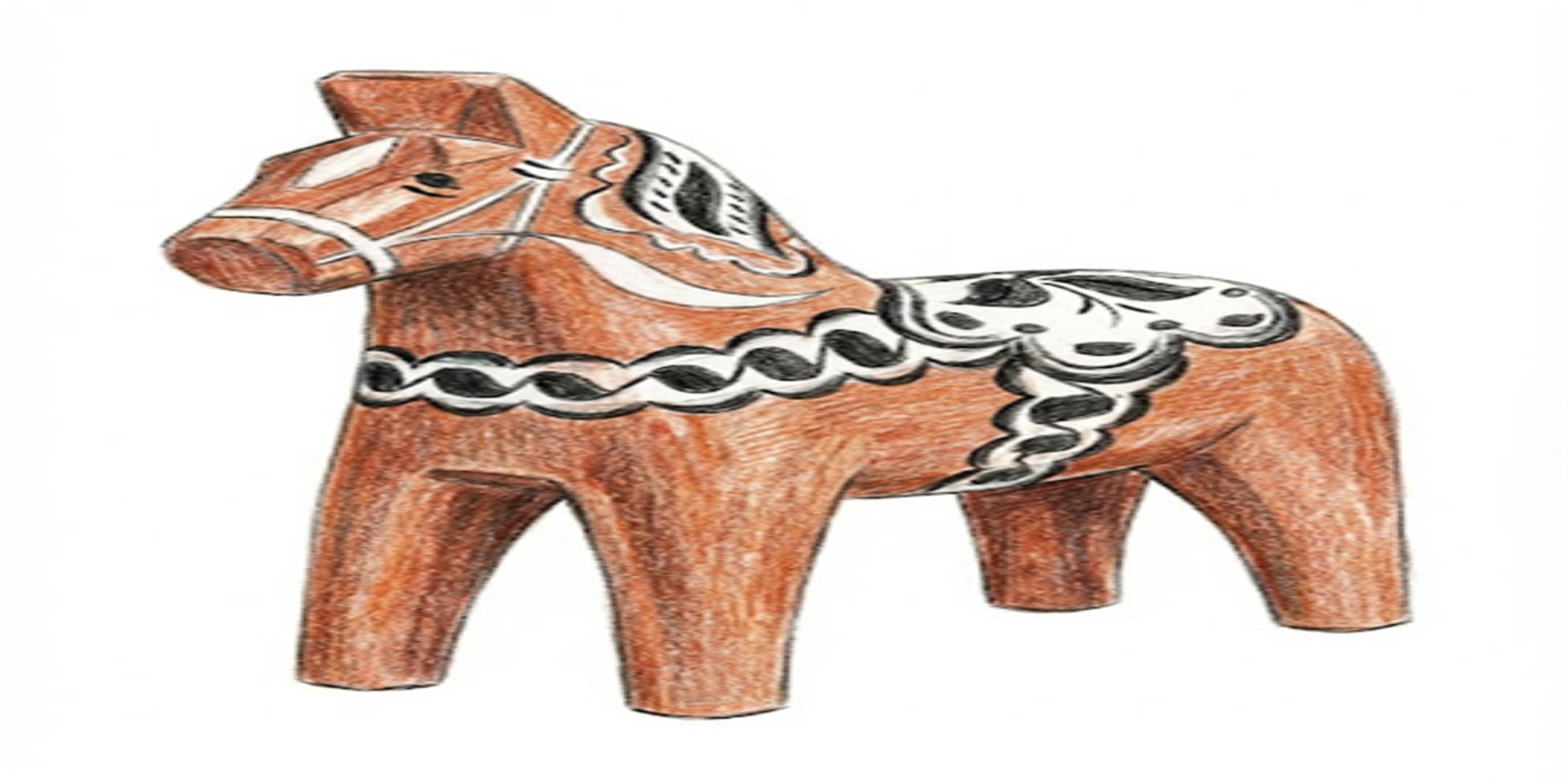
- Description: Terracotta, or baked earth, is used to create a variety of items, from utilitarian pots to decorative figures of horses, elephants, and deities, often used in rituals.
- Medium: Local clay, natural colors for decoration.
Process: The clay is kneaded, shaped on a potter’s wheel or by hand, and then dried in the sun. It is then fired in a kiln. After firing, it may be painted with natural pigments.
8.Gara/Tasar Silk Weaving (Loom)
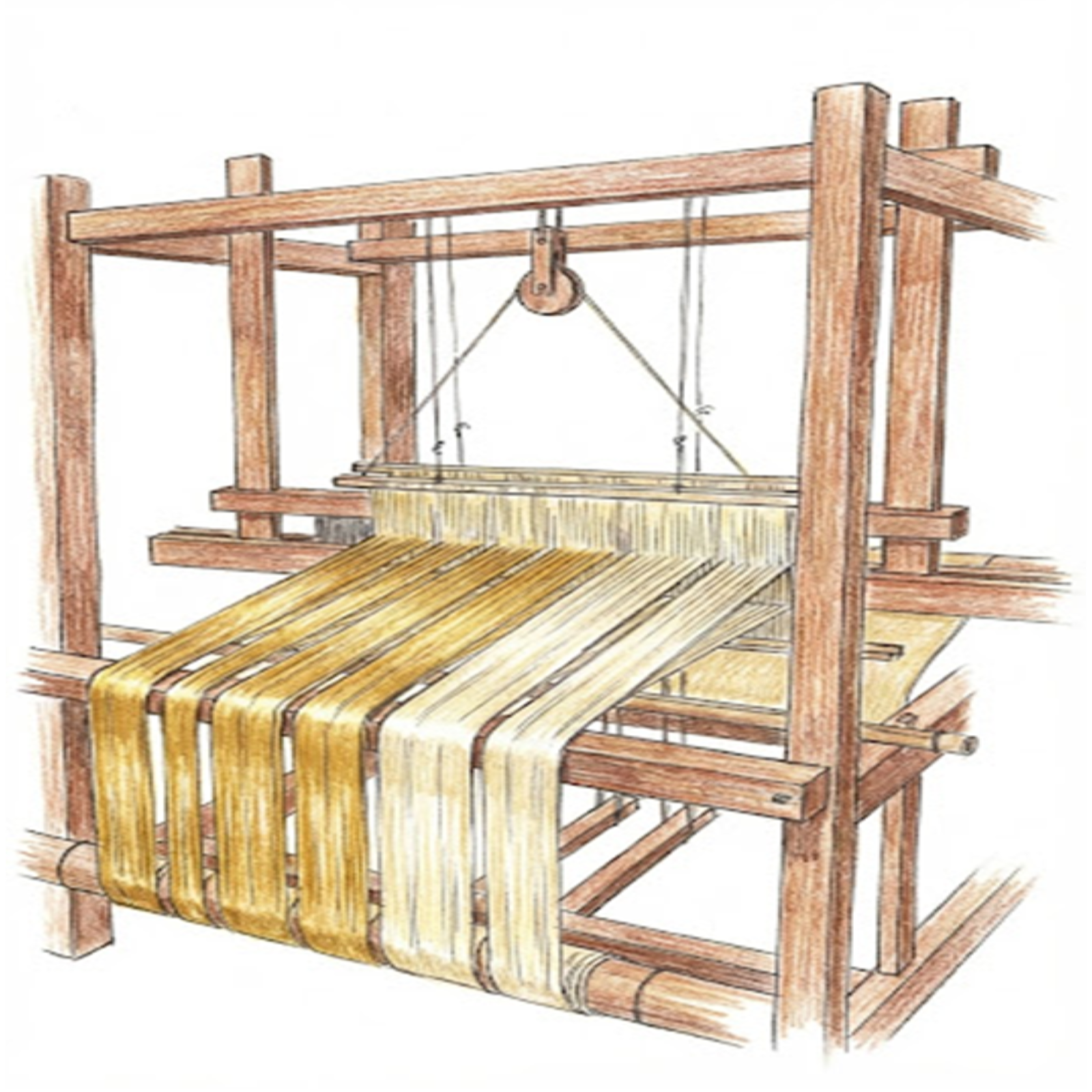
- Description: Jharkhand is a leading producer of Tasar silk, a type of wild silk. It is woven on traditional handlooms to create sarees, fabrics, and other textiles.
- Medium: Tasar silk cocoons, cotton threads for the warp.
Process: The silk is extracted from cocoons, spun into yarn, and dyed. The yarn is then set on a handloom, where the weaver interlaces the warp and weft threads to create the fabric.
7.Terracotta Crafts
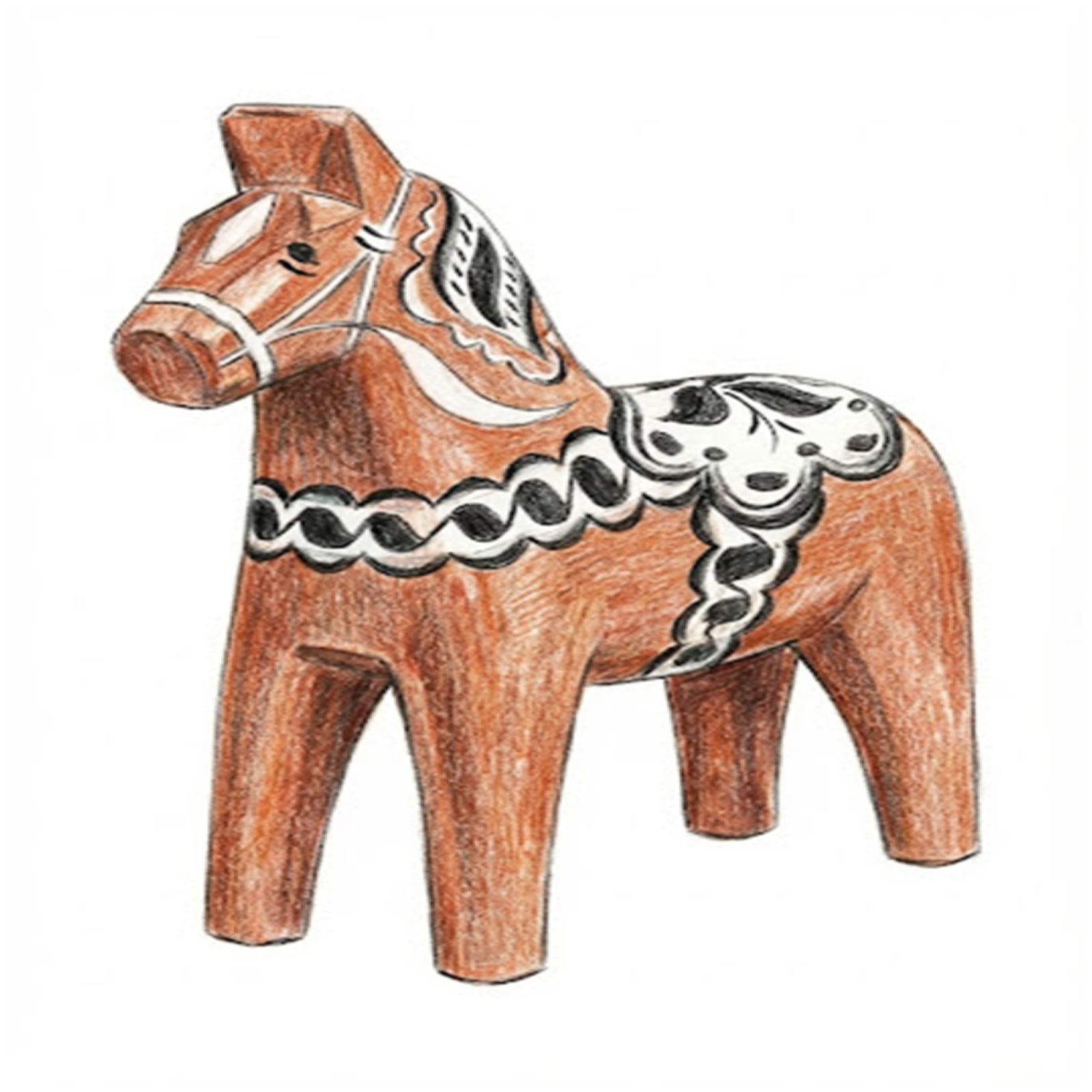
- Description: Terracotta, or baked earth, is used to create a variety of items, from utilitarian pots to decorative figures of horses, elephants, and deities, often used in rituals.
- Medium: Local clay, natural colors for decoration.
Process: The clay is kneaded, shaped on a potter’s wheel or by hand, and then dried in the sun. It is then fired in a kiln. After firing, it may be painted with natural pigments.
8. Gara/Tasar Silk Weaving (Loom):
- Description: Jharkhand is a leading producer of Tasar silk, a type of wild silk. It is woven on traditional handlooms to create sarees, fabrics, and other textiles.
- Medium: Tasar silk cocoons, cotton threads for the warp.
Process: The silk is extracted from cocoons, spun into yarn, and dyed. The yarn is then set on a handloom, where the weaver interlaces the warp and weft threads to create the fabric.
9. Katha Stitch (Embroidery)
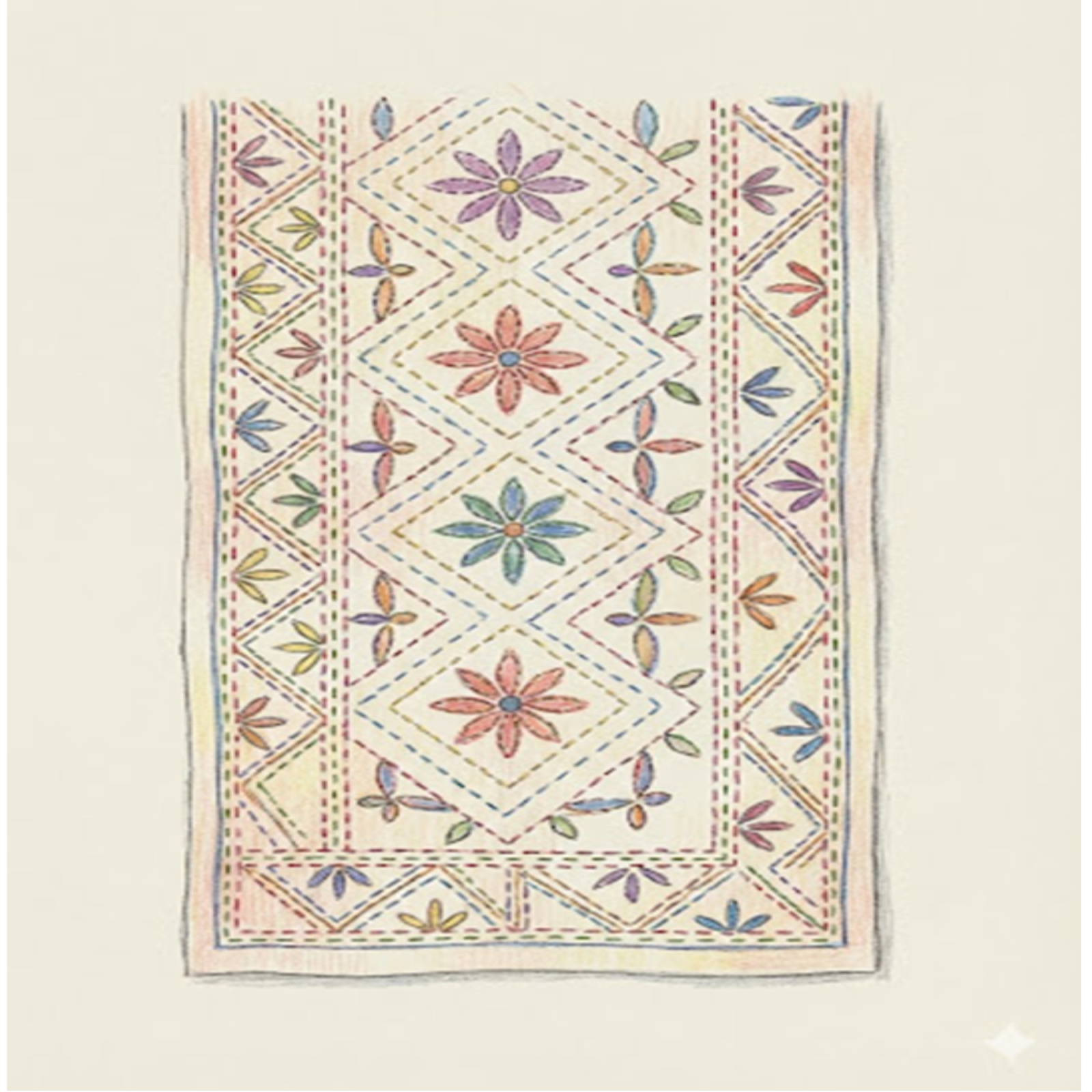
- Description: A traditional form of embroidery practiced by women, often using old sarees and dhotis to create quilts (kanthas) with intricate running stitch patterns.
- Medium: Old or new cotton or silk fabric, colored cotton threads.
Process: Multiple layers of fabric are stacked and stitched together using a simple running stitch. The stitches are used to create elaborate floral, animal, and geometric motifs.
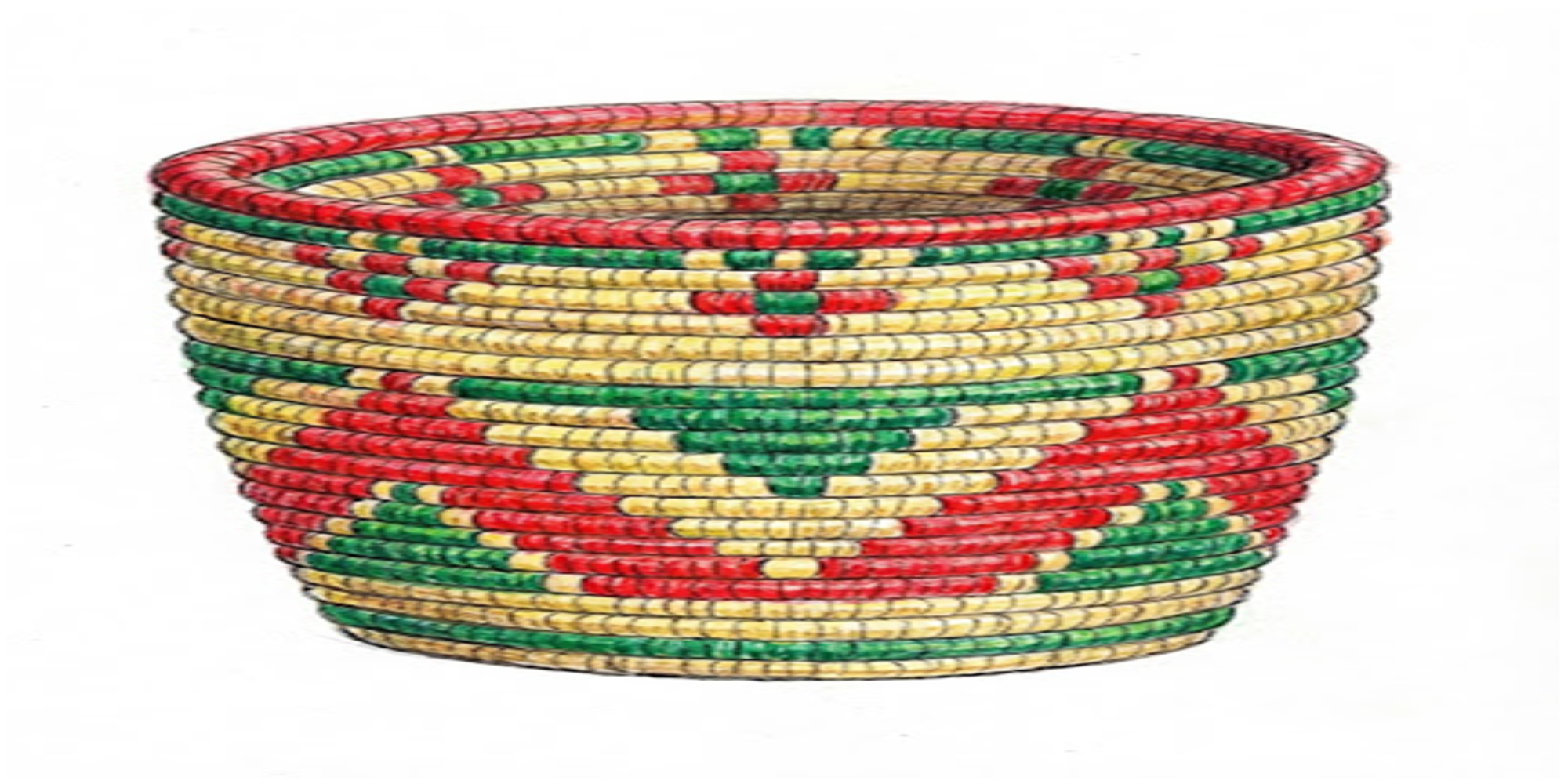
10. Sikki Grass Craft
- Description: A craft where golden-colored Sikki grass is used to weave beautiful and durable baskets, boxes, and decorative items.
- Medium: Sikki grass (a type of golden grass), Munj grass (for the core), natural dyes.
Process: The grass is harvested, dried, and dyed in various colors. It is then coiled and stitched together to form the desired shape, often with geometric or floral patterns.
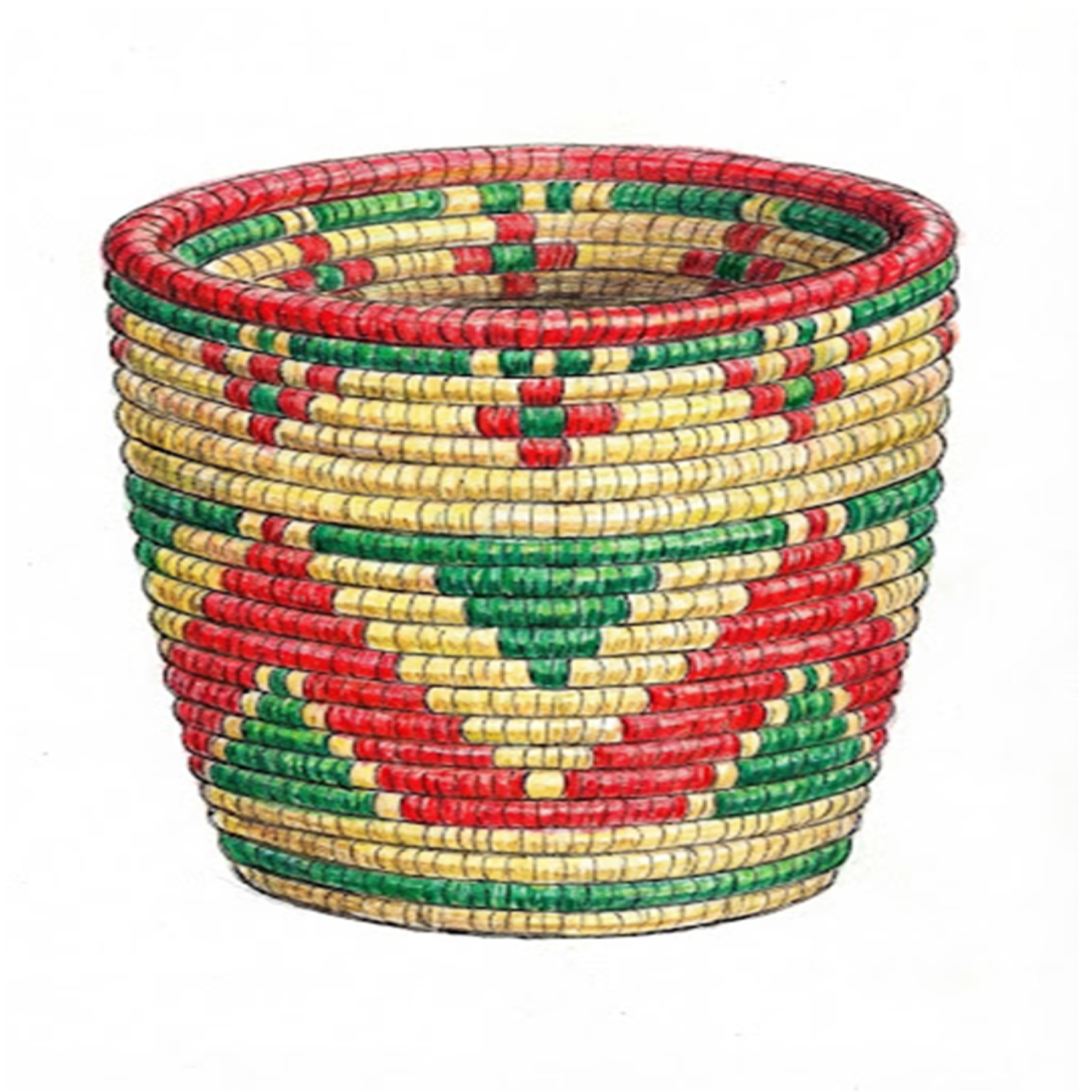
10. Sikki Grass Craft
- Description: A craft where golden-colored Sikki grass is used to weave beautiful and durable baskets, boxes, and decorative items.
- Medium: Sikki grass (a type of golden grass), Munj grass (for the core), natural dyes.
Process: The grass is harvested, dried, and dyed in various colors. It is then coiled and stitched together to form the desired shape, often with geometric or floral patterns.