1. Wood Carving
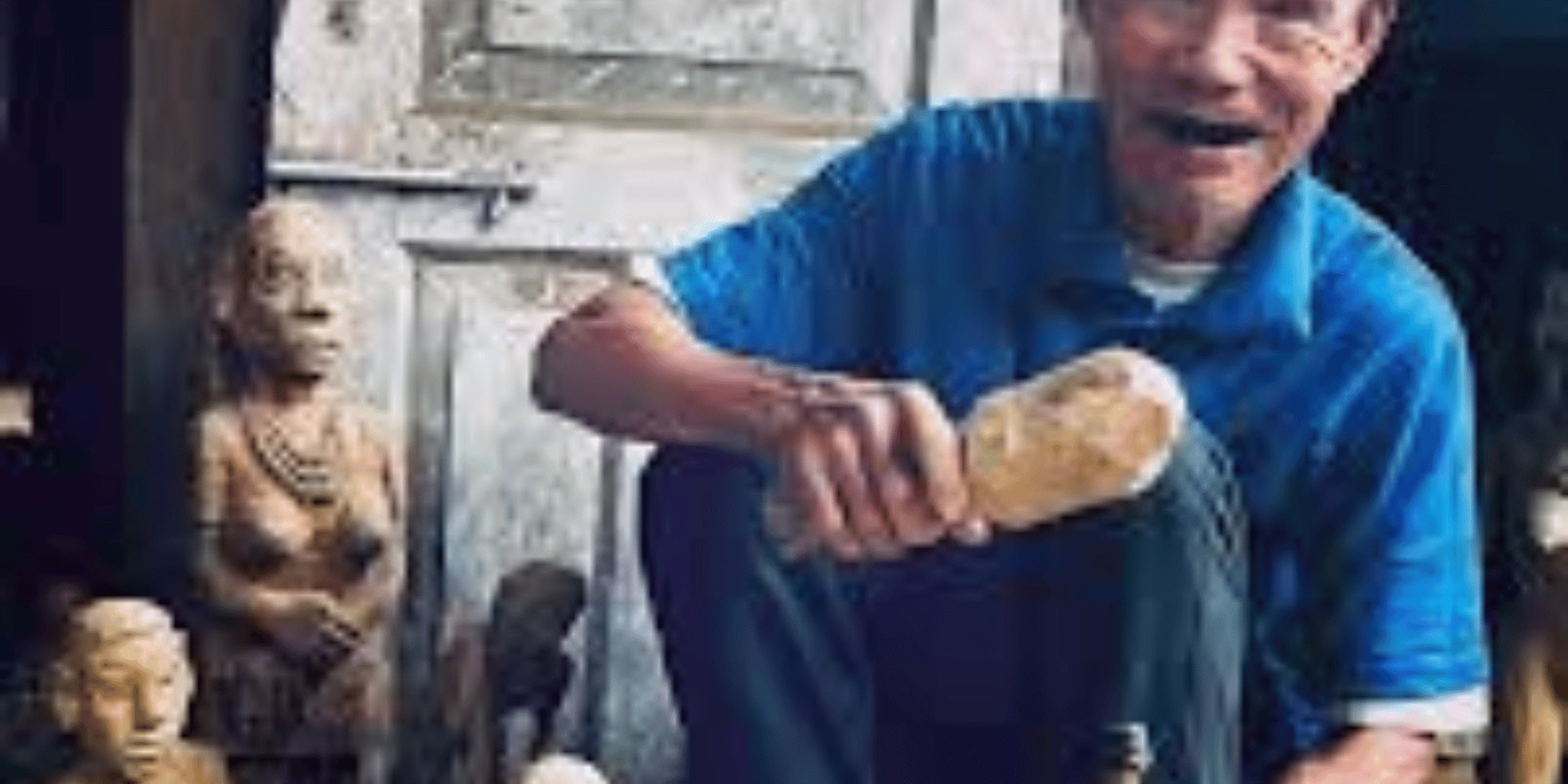
The most striking crafts is wood carving, where skilled artisans create intricate designs on gates, posts, and ceremonial structures. These carvings often depict animals, human figures, and motifs that represent bravery, status, and tribal identity, serving both decorative and cultural purposes within the community.
2. Bamboo & Cane Work
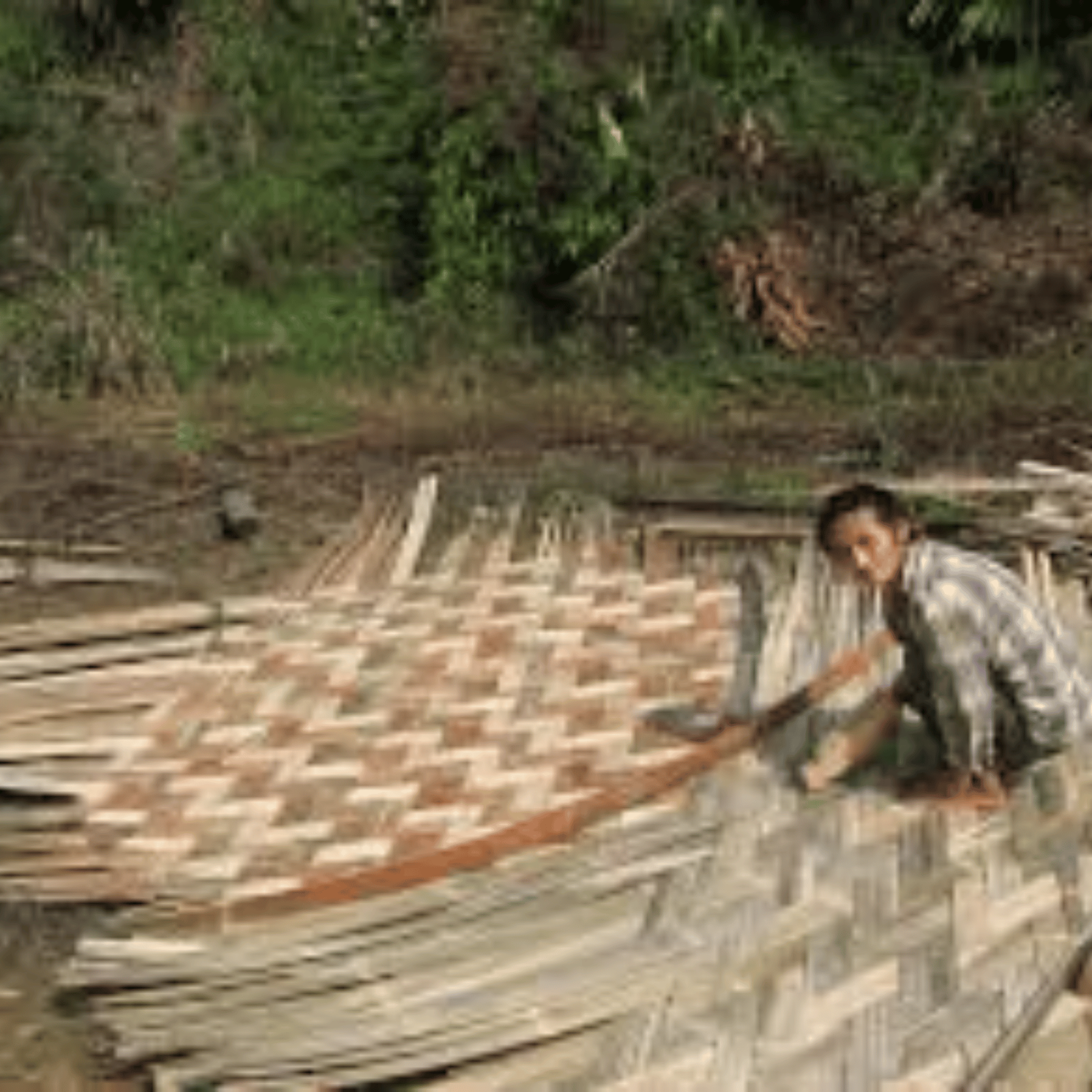
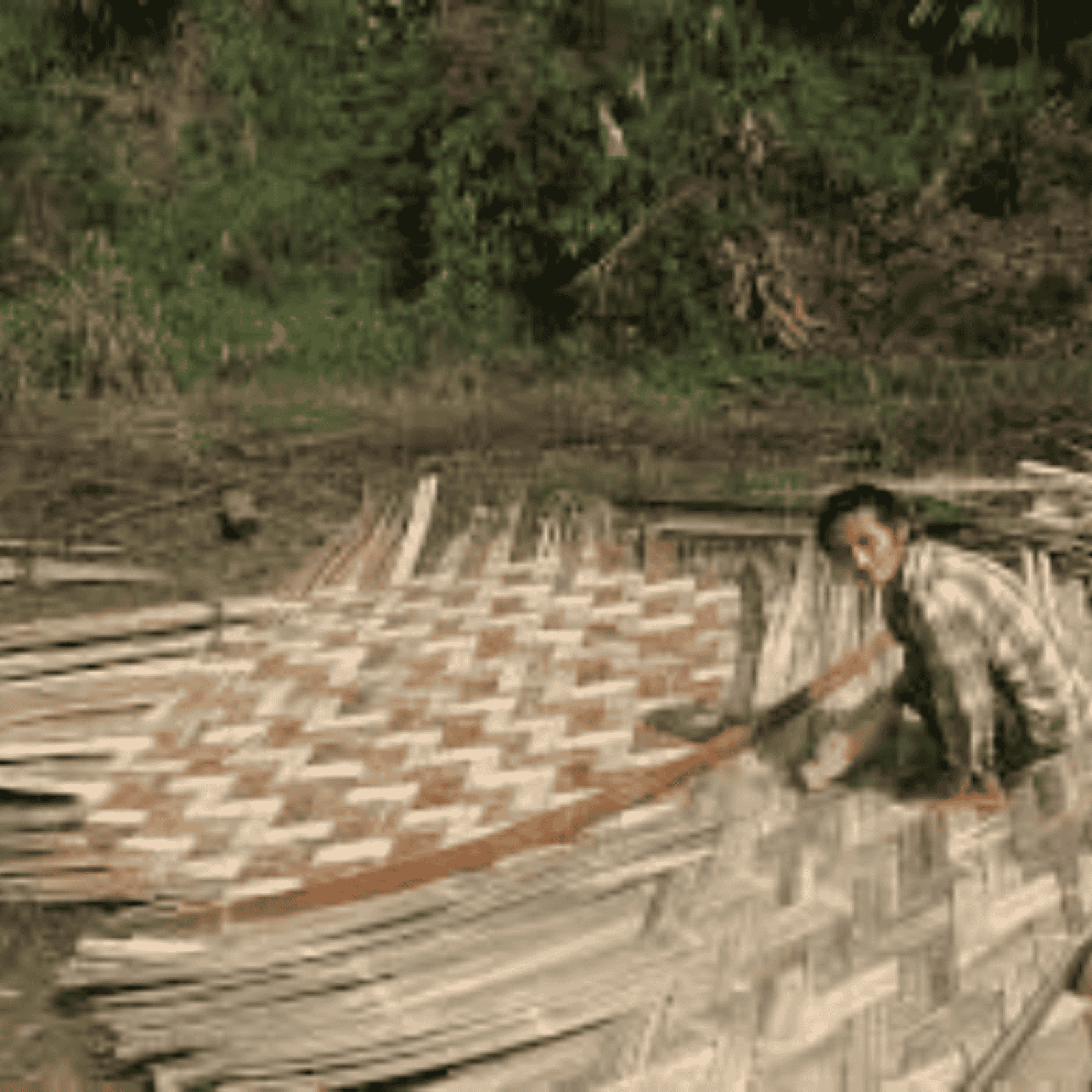
Another important craft of Nagaland is bamboo and cane work, made possible by the abundance of these natural resources in the region. Artisans expertly craft baskets, mats, hats, and furniture that are not only functional but also aesthetically pleasing. These items are widely used in daily life, especially in agricultural activities, and are valued for their strength, flexibility, and eco-friendly nature.
1. Wood Carving
The most striking crafts is wood carving, where skilled artisans create intricate designs on gates, posts, and ceremonial structures. These carvings often depict animals, human figures, and motifs that represent bravery, status, and tribal identity, serving both decorative and cultural purposes within the community.

2. Bamboo & Cane Work
Another important craft of Nagaland is bamboo and cane work, made possible by the abundance of these natural resources in the region. Artisans expertly craft baskets, mats, hats, and furniture that are not only functional but also aesthetically pleasing. These items are widely used in daily life, especially in agricultural activities, and are valued for their strength, flexibility, and eco-friendly nature.
3. Bamboo Craft
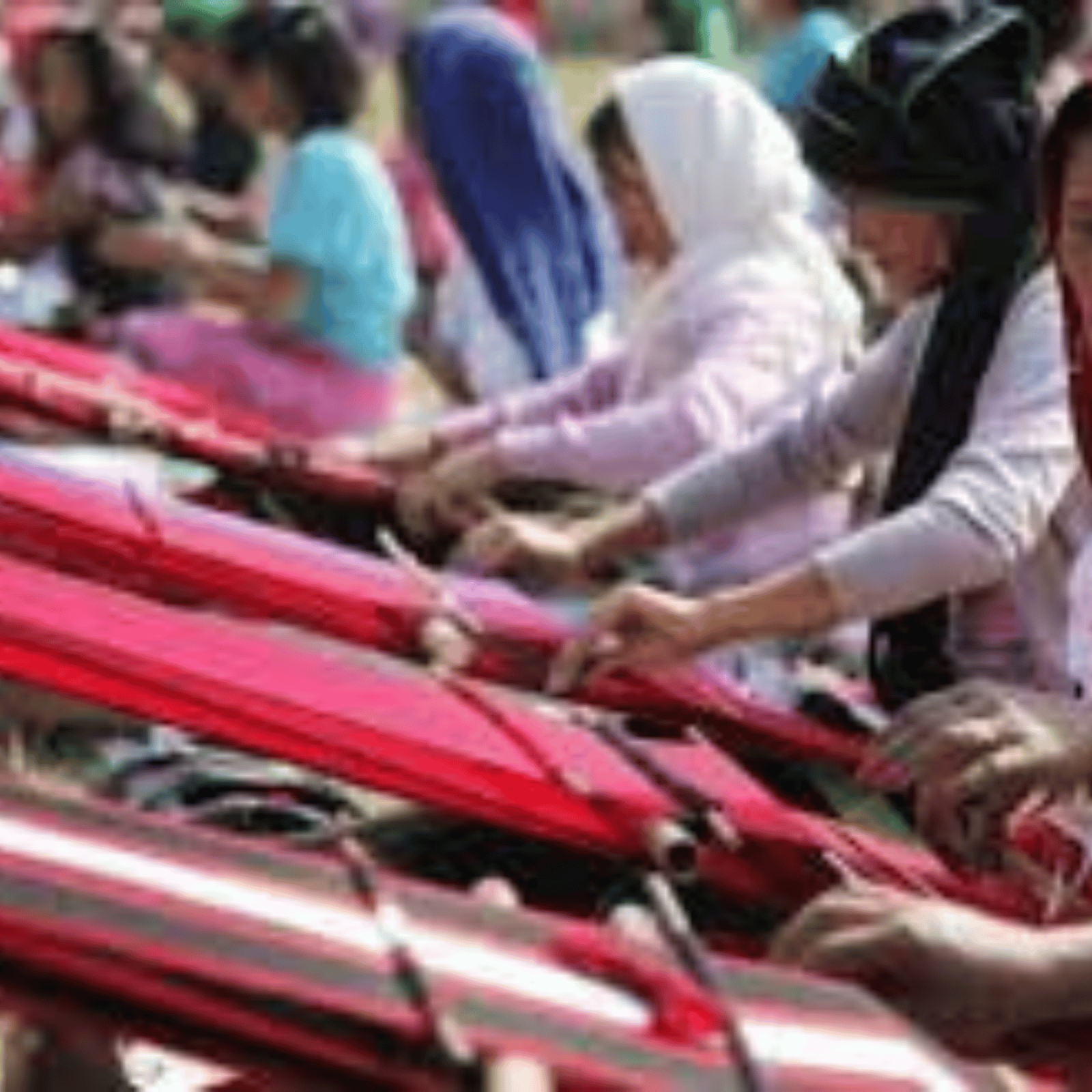
Weaving is an integral part of Naga culture, particularly known for its distinctive tribal shawls and bags. Each tribe has its own unique patterns, colors, and motifs, often indicating the wearer’s social status, achievements, or tribe. These textiles are handwoven using traditional looms and are characterized by bold designs and vibrant color combinations, making them highly recognizable and culturally significant.
4. Metal craft
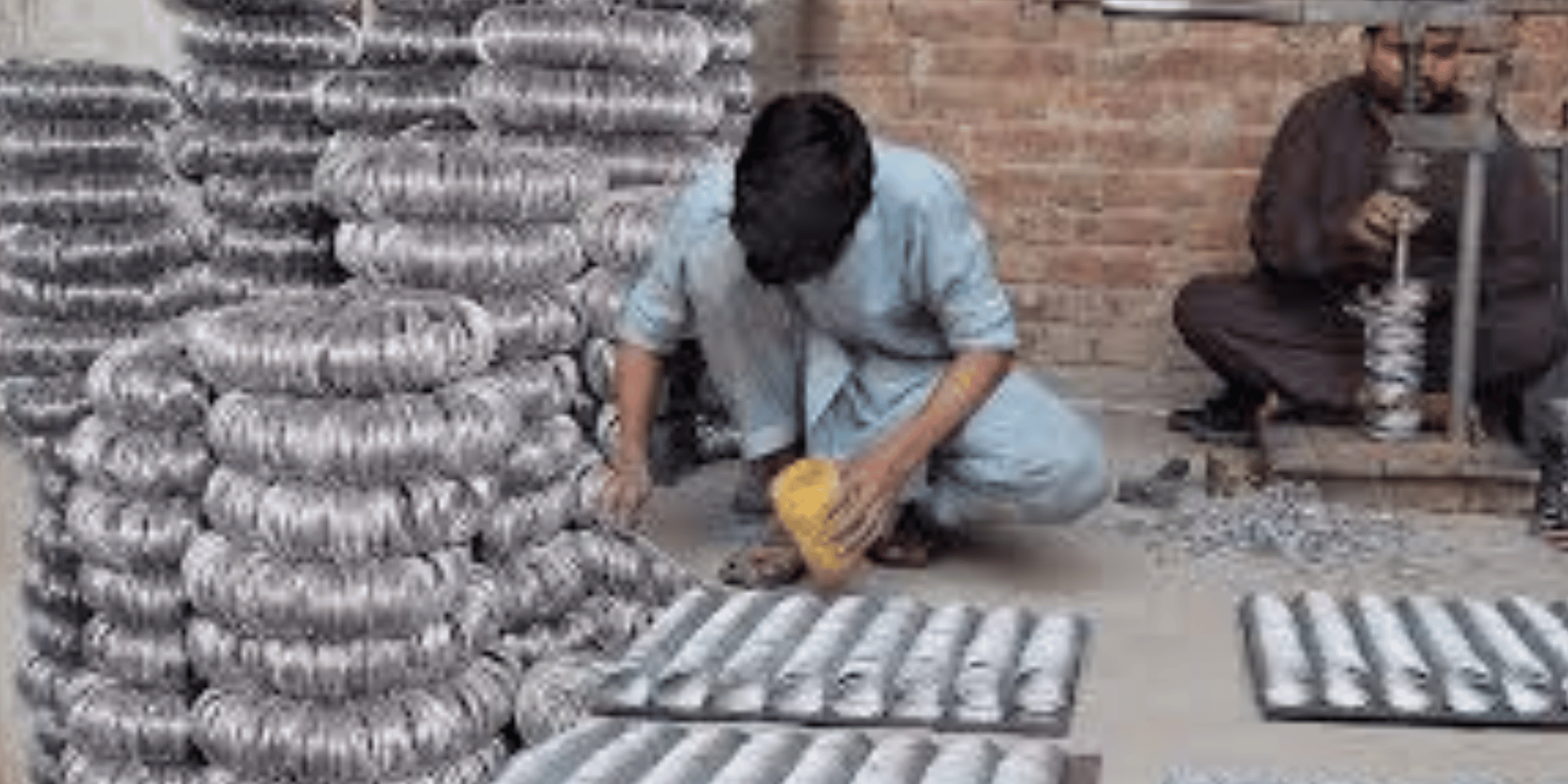
Metal craft is another traditional practice in Nagaland, where tribal blacksmiths produce tools, weapons, and ceremonial items using age-old techniques. These handcrafted metal objects, including spears, daos (traditional machetes), and agricultural tools, are essential for both daily use and cultural rituals, reflecting the craftsmanship and self-reliance of the Naga people.
5. Bead & Jewellery Making
Bead and jewellery making holds a special place in Naga tradition. Artisans create beautiful ornaments using colorful beads, shells, bones, and other natural materials. These jewellery pieces are often worn during festivals and ceremonies and carry deep cultural meanings, symbolizing wealth, status, and identity. Together, the crafts of Nagaland represent a harmonious blend of functionality, artistry, and cultural heritage, preserving the legacy of tribal craftsmanship through generations.
4. Metal craft
Metal craft is another traditional practice in Nagaland, where tribal blacksmiths produce tools, weapons, and ceremonial items using age-old techniques. These handcrafted metal objects, including spears, daos (traditional machetes), and agricultural tools, are essential for both daily use and cultural rituals, reflecting the craftsmanship and self-reliance of the Naga people.
5. Bead & Jewellery Making
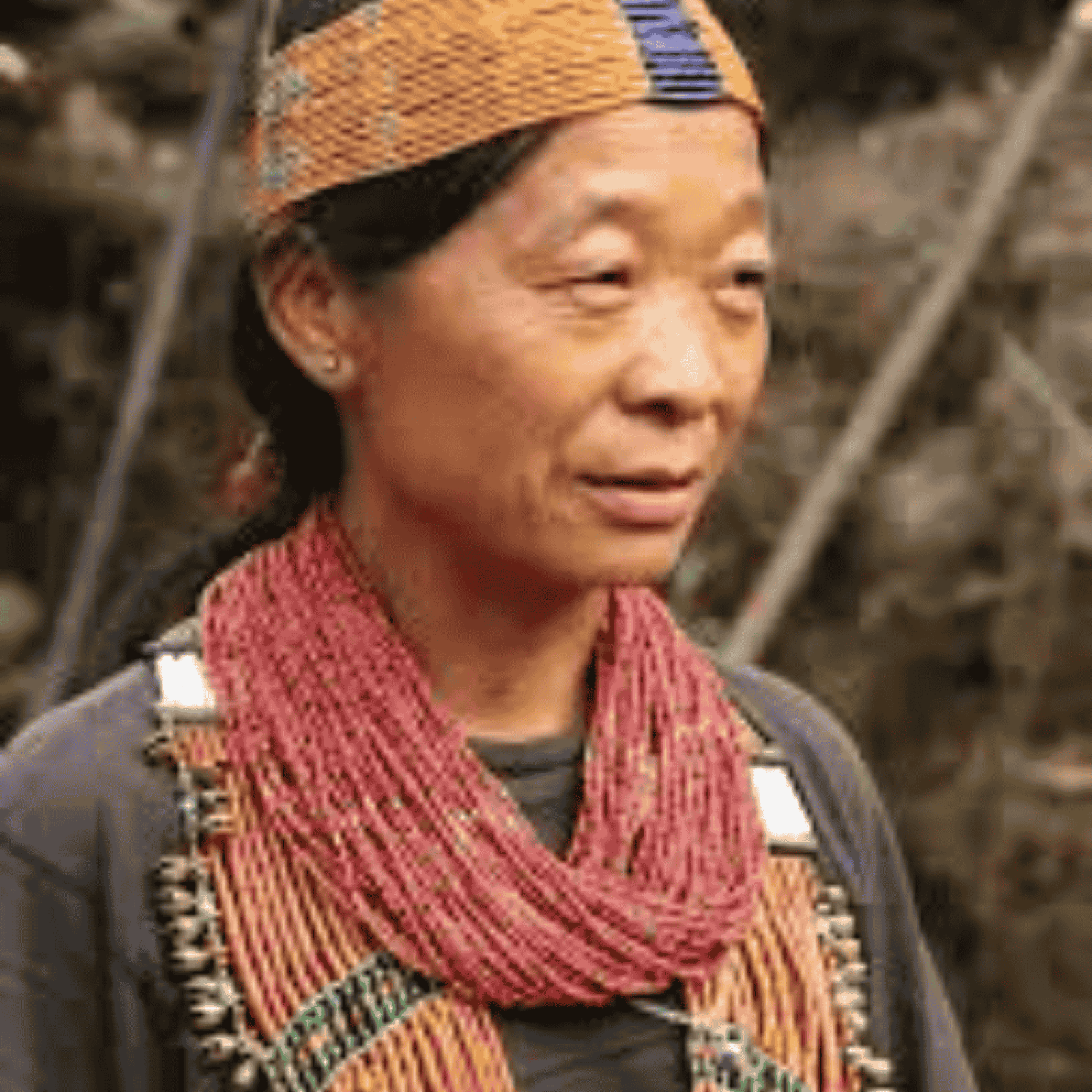
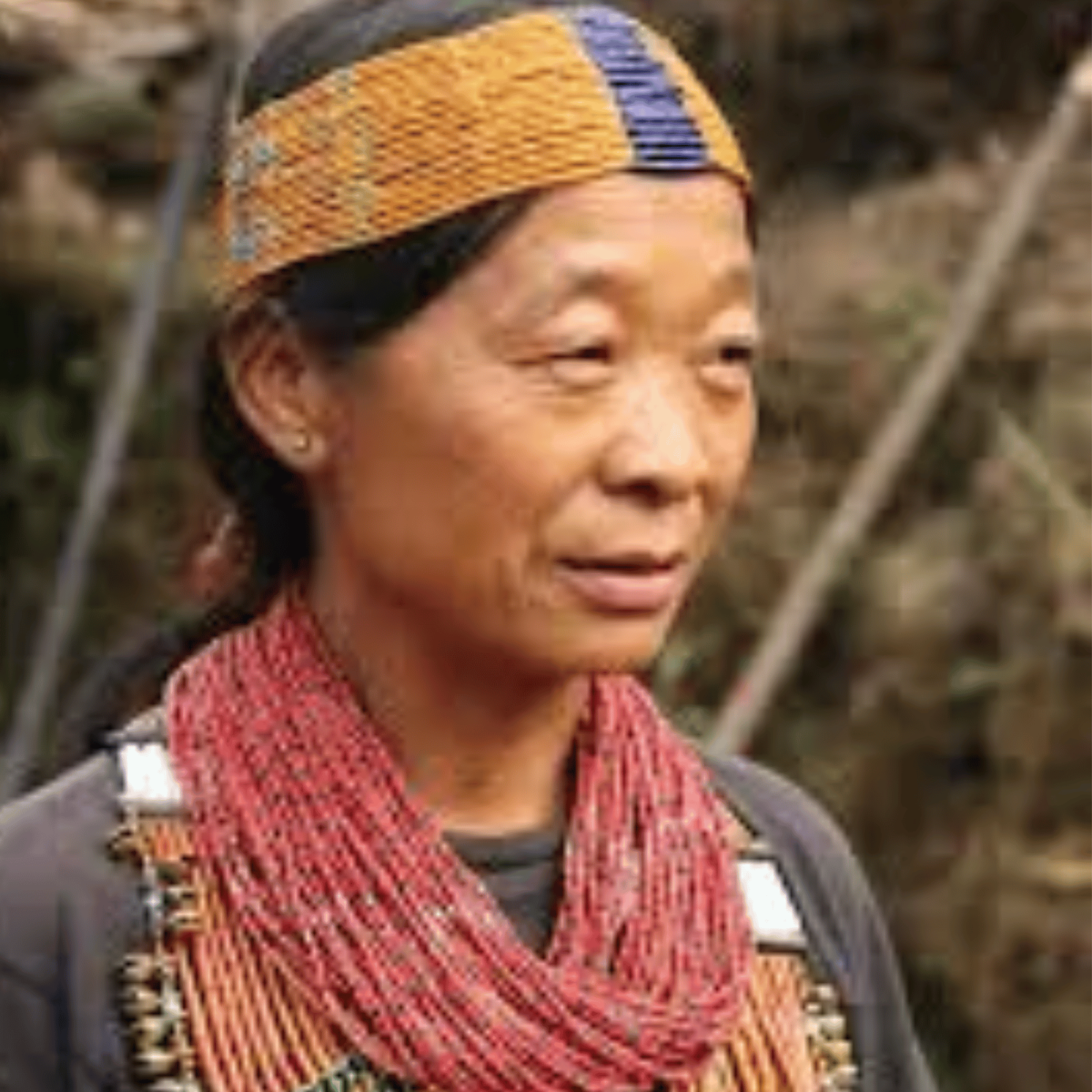
Bead and jewellery making holds a special place in Naga tradition. Artisans create beautiful ornaments using colorful beads, shells, bones, and other natural materials. These jewellery pieces are often worn during festivals and ceremonies and carry deep cultural meanings, symbolizing wealth, status, and identity. Together, the crafts of Nagaland represent a harmonious blend of functionality, artistry, and cultural heritage, preserving the legacy of tribal craftsmanship through generations.